Of course! Here is a comprehensive guide to the Australian Medicare card, covering what it is, who is eligible, how to get one, and how to use it.
What is a Medicare Card?
A Medicare card is the official proof of your eligibility for Australia's universal health care system, Medicare. It is a plastic card issued by the Australian Government that gives you access to a range of health care services, often at a reduced cost or for free.
Key things Medicare covers:
- Free treatment as a public patient in a public hospital.
- Subsidised doctor's visits (known as the Medicare Benefits Schedule - MBS).
- Subsidised specialist consultations.
- Subsidised medical tests (e.g., X-rays, blood tests).
- Subsidised eye tests by an optometrist.
- Assistance with the cost of some prescription medicines through the Pharmaceutical Benefits Scheme (PBS).
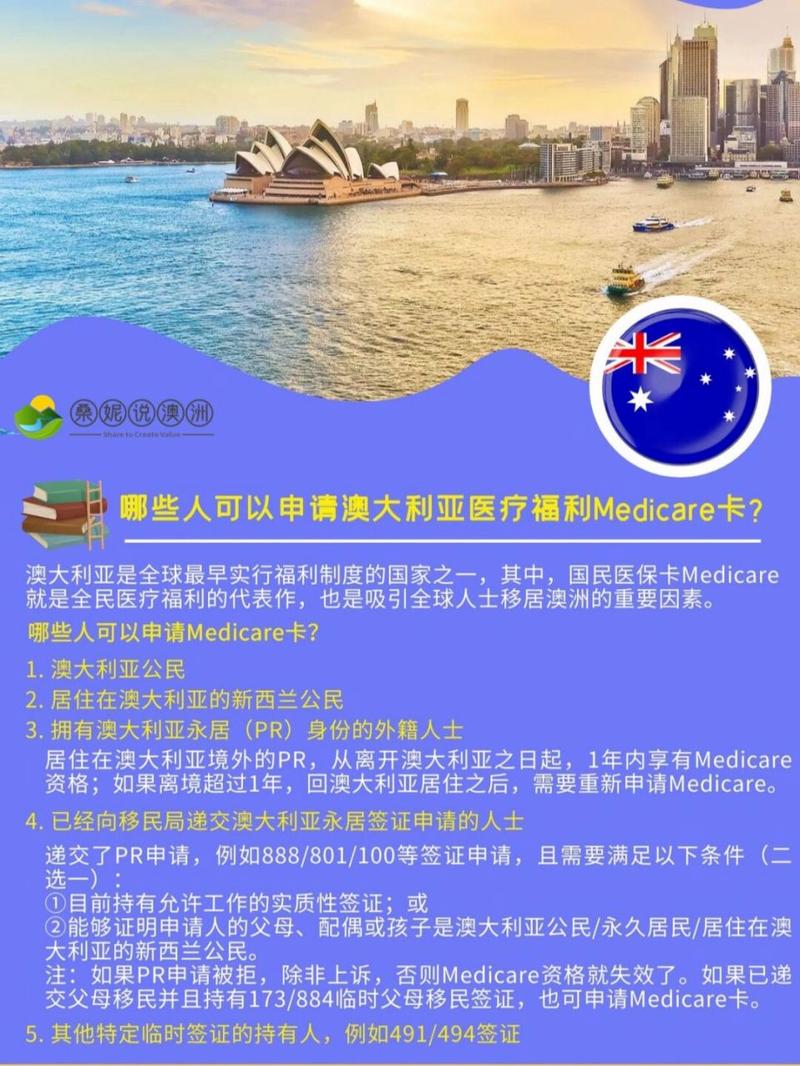
Who is Eligible for Medicare?
You are generally eligible for Medicare if you are one of the following:
- An Australian Citizen: Living in Australia.
- A New Zealand Citizen: Living in Australia who holds a Special Category Visa (SCV).
- A Permanent Visa Holder: You must have a permanent visa and have made a "valid claim" for Medicare. Most permanent visa holders are eligible, but it's not automatic.
- Applying for a Permanent Visa: If you have applied for a permanent visa and are awaiting a decision, you may be eligible for a Limited Access Medicare card.
- Applying for Citizenship: If you have applied for Australian citizenship and are awaiting a decision.
- Asylum Seekers: Some people seeking asylum in Australia may be eligible.
Important Note: Most people on temporary visas (e.g., student visas, working holiday visas, temporary skilled visas) are NOT eligible for Medicare. However, some countries have Reciprocal Health Care Agreements (RHCAs) with Australia, which may allow for limited access to Medicare. See the section below for more details.
(图片来源网络,侵删)
How to Apply for a Medicare Card
The application process depends on your visa status and location.
If You Are in Australia
You can apply for Medicare in person at a Services Australia Centre (formerly a Centrelink office). You can also apply by mail, but in-person is usually faster.
Required Documents: You will need to provide original documents or certified copies. The exact list can vary, but generally includes:
- Proof of Identity:
- Your passport.
- Your visa grant notice (if you have one).
- Proof of Age: (e.g., birth certificate).
- Proof of Your Address in Australia: (e.g., a recent utility bill, rental agreement, or bank statement).
- Medicare Enrollment Form (Form MS001): You can get this from a Services Australia Centre or download it from the Services Australia website.
- For Children: Their birth certificate and proof of your relationship to them (e.g., your passport showing their name).
The Process:

- Book an Appointment: It's highly recommended to book an appointment at your local Services Australia Centre online or by phone to avoid long queues.
- Attend the Appointment: Bring all your original documents and the completed form.
- Wait for Your Card: Your card will be mailed to your Australian address within a few weeks. You will receive a Medicare card number immediately, which you can use to claim benefits before your physical card arrives.
If You Are Outside Australia
You can apply by post. You will need to:
- Download the forms from the Services Australia website.
- Complete the forms and have them witnessed.
- Gather certified copies of all your required documents (passport, visa, etc.).
- Mail everything to the address provided on the forms. This process can take several weeks or months.
Reciprocal Health Care Agreements (RHCAs)
Australia has RHCAs with several countries. If you are a citizen of one of these countries and are on a temporary visa, you may be eligible for limited Medicare benefits.
Countries with RHCAs:
- Belgium
- Finland
- Italy
- Malta
- Netherlands
- New Zealand
- Norway
- Republic of Ireland
- Slovenia
- Sweden
- United Kingdom
- Cyprus (only for UK pensioners)
What an RHCA Covers:
- Medically necessary treatment as a public patient in a public hospital.
- Subsidised doctor's services for a condition that develops during your stay.
- Subsidised treatment as a patient admitted to a public psychiatric hospital.
How to Use an RHCA: You will need to get a Medicare Benefits Entitlement Card (Form 1219) from the nearest Australian embassy, high commission, or consulate before you travel to Australia. You will still need to pay upfront for services and can then claim a partial refund from Medicare.
How to Use Your Medicare Card
Once you have your card, here’s how you use it:
-
At the Doctor's Office (GP):
- Present your Medicare card at reception.
- If your doctor "bulk bills," you will pay nothing. The doctor directly bills Medicare, and the government pays the full fee.
- If your doctor does not bulk bill, you will pay the full fee upfront. You can then claim your rebate from Medicare. You can do this at the doctor's clinic (if they have a EFTPOS machine) or later via the Medicare app, online, or at a Services Australia centre.
-
At a Specialist or Pathology Lab:
- You will almost always need to pay the full fee upfront.
- You can then claim your rebate from Medicare. The rebate is usually a significant portion, but not the entire cost.
-
At a Pharmacy (for PBS medicines):
- Present your Medicare card and the prescription from your doctor.
- The pharmacist will calculate your co-payment (the amount you pay). The government subsidises the rest.
- If you have a Concession Card (like a Pensioner Concession Card or Health Care Card), your co-payment will be much lower.
Key Things to Remember
- Medicare is NOT Travel Insurance: It does not cover ambulance services, dental care, physiotherapy, or private hospital costs. You should always have comprehensive private health insurance.
- Keep Your Card Safe: Your Medicare card contains personal information. Report it lost or stolen immediately.
- Update Your Details: If your address or personal details change, you must update them with Services Australia.
- The Medicare Levy: Most taxpayers pay a 2% levy on their taxable income to help fund Medicare. If you earn above a certain threshold, you may have to pay the Medicare Levy Surcharge if you do not have appropriate private hospital insurance.
Useful Links
- Official Medicare Website: www.servicesaustralia.gov.au/individuals/services/medicare
- Check Eligibility: Am I eligible for Medicare?
- Find a Services Australia Centre: Find a service location near you