Of course! The term "Singapore IT Master" can be interpreted in a few ways, so I'll provide a comprehensive guide covering all the most likely meanings you might be looking for.
Here’s a breakdown of what "Singapore IT Master" could refer to, from the most common to more specific interpretations.
Interpretation 1: The "Master of Technology" (M.Tech) Degree in Singapore
This is the most direct and academic interpretation. Singapore is a global hub for technology education, and its universities offer world-class Master's programs in IT and related fields.
Top Universities for an M.Tech in Singapore:
-
National University of Singapore (NUS)
- Why it's a Master: NUS is consistently ranked among the top universities in the world for Computer Science and Engineering. Its School of Computing is one of the most prestigious in Asia.
- Key Programs:
- Master of Computing (MComp): Offers specializations in Artificial Intelligence, Cybersecurity, and more.
- Master of Technology in Infocomm Security (M.Tech in InfoSec): A highly specialized program for cybersecurity professionals.
- Master of Science in Computer Science (MSc CS): A more research-focused program.
-
Nanyang Technological University (NTU)
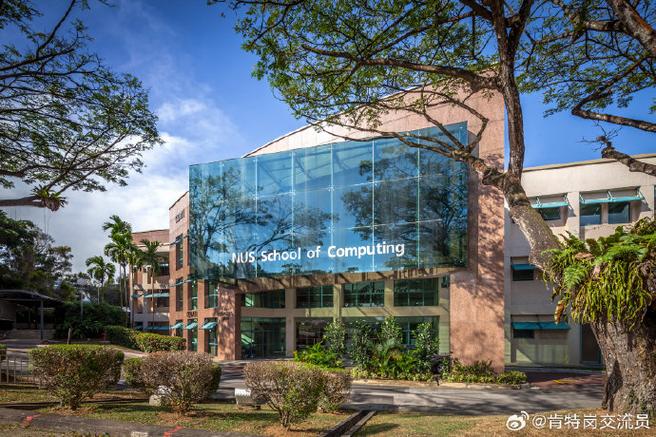 (图片来源网络,侵删)
- Why it's a Master: NTU's College of Engineering is a powerhouse, and its School of Computer Science and Engineering (SCSE) is a leader in both research and education.
- Key Programs:
- Master of Science in Computer Engineering (MSc CE): Focuses on the intersection of hardware and software.
- Master of Science in Information Systems (MSc IS): Ideal for those who want to bridge the gap between IT and business.
- Master of Science in Artificial Intelligence (MSc AI): A cutting-edge program for the AI era.
-
Singapore Management University (SMU)
- Why it's a Master: SMU focuses on the intersection of technology and business. Its IT programs are known for their practical, industry-relevant curriculum.
- Key Programs:
- Master of Science in Information Systems (MSc IS): A very popular program that equips students with both technical and managerial skills.
- Master of Science in Business Analytics (MSBA): For those who want to use data to drive business decisions.
-
Singapore University of Technology and Design (SUTD)
- Why it's a Master: SUTD is a unique university with a focus on technology and design, co-created with MIT.
- Key Programs:
- Technology and Design (PhD/Master's by Research): Offers research opportunities in areas like Information Systems and Systems & Design.
Key Features of an M.Tech in Singapore:
- High Employability: Degrees from these universities are highly regarded by top global and local tech companies (e.g., Google, Grab, Sea Group, DBS Bank, government agencies).
- Strong Industry Links: Many programs include internships, industry projects, and guest lectures from industry leaders.
- Research Excellence: Opportunities to work on cutting-edge research in areas like AI, cybersecurity, fintech, and urban computing.
- Multicultural Environment: You'll study and network with students and faculty from all over the world.
Interpretation 2: Becoming an "IT Master" (A Highly Skilled Professional)
This refers to achieving mastery in the IT field within Singapore's dynamic tech ecosystem. An "IT Master" here is not a degree, but a professional who has deep expertise and is a leader in their domain.
Key Domains for IT Mastery in Singapore:
-
Cybersecurity: With Singapore being a major financial and business hub, cybersecurity is a national priority. Masters in this field are in high demand.
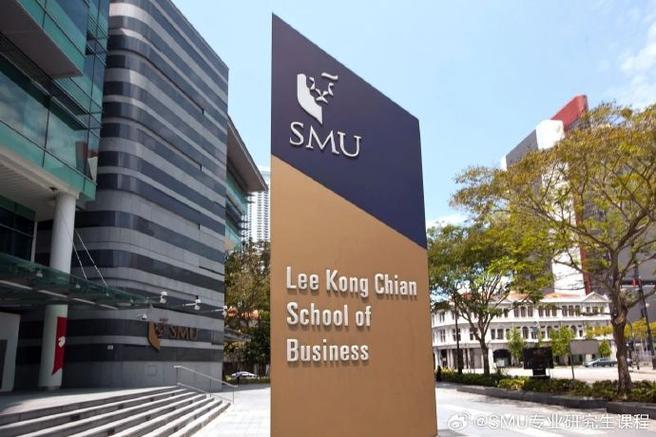 (图片来源网络,侵删)
- Roles: Security Architect, Penetration Tester, Incident Responder, CISO (Chief Information Security Officer).
- Key Body: CSA (Cybersecurity Agency of Singapore) provides certifications and sets the national standards.
-
Artificial Intelligence & Data Science: Singapore heavily invests in becoming a leader in AI. Mastery here involves building and deploying sophisticated AI models.
- Roles: Data Scientist, Machine Learning Engineer, AI Research Scientist, AI Product Manager.
- Initiative: The AI Singapore (AISG) national program aims to grow the AI ecosystem.
-
Cloud Computing: As more companies migrate to the cloud (AWS, Azure, Google Cloud), experts who can design, manage, and secure cloud infrastructure are indispensable.
- Roles: Cloud Solutions Architect, DevOps Engineer, Site Reliability Engineer (SRE).
- Key Certifications: AWS Certified Solutions Architect, Azure Solutions Architect Expert, Google Cloud Professional Cloud Architect.
-
Fintech: This is a cornerstone of Singapore's economy. IT Masters in this space combine finance knowledge with IT skills.
- Roles: Blockchain Developer, Quantitative Analyst ("Quant"), Payment Solutions Specialist.
- Key Body: MAS (Monetary Authority of Singapore) is the primary regulator and enabler for fintech.
-
Software Engineering & Development: Mastery here means not just writing code, but designing scalable, efficient, and robust systems.
- Roles:
- Software Engineer / Senior Engineer: Deep expertise in a specific language or stack (e.g., Java, Python, Go).
- SRE / DevOps Engineer: Focus on system reliability and automation.
- Engineering Manager: Leading and mentoring teams of engineers.
- Roles:
How to Become an IT Master in Singapore:
- Continuous Learning: The tech field evolves rapidly. Constantly upskilling through online courses (Coursera, edX), workshops, and conferences is crucial.
- Industry Certifications: Certifications from AWS, Google, Microsoft, Cisco, and (ISC)² are highly valued.
- Hands-On Experience: Work on challenging projects, contribute to open-source, and gain experience in a real-world corporate or startup environment.
- Networking: Join communities like Tech in Asia, Singapore IT Professionals' Association (SITP), and attend tech meetups (e.g., those organized by meetup.com).
Interpretation 3: The "Master of IT" (M.IT) Program at Singapore Institute of Technology (SIT)
This is a specific, unique program worth highlighting.
- Institution: Singapore Institute of Technology (SIT)
- Program: Master of IT (M.IT)
- What makes it special: This is a work-study integrated Master's program. It's designed for professionals who are already working in the IT industry. You will be employed by a company and study part-time, applying what you learn directly to your job. This is a fantastic option for those who want to gain a master's degree without leaving their career.
Summary Table
| Interpretation | Key Focus | Who is it for? | Key Players/Programs |
|---|---|---|---|
| M.Tech Degree | Academic & Research | Fresh graduates or professionals seeking a deep academic qualification. | NUS, NTU, SMU, SUTD |
| Skilled Professional | Career & Expertise | IT professionals aiming to become leaders and experts in their field. | Tech professionals in Cybersecurity, AI, Cloud, Fintech, etc. |
| M.IT Program (SIT) | Work-Study Integration | Working IT professionals who want a master's degree while continuing their careers. | Singapore Institute of Technology (SIT) |
To give you the best answer, could you clarify what you mean by "Singapore IT Master"? Are you interested in pursuing a degree, building a career, or learning about a specific program?