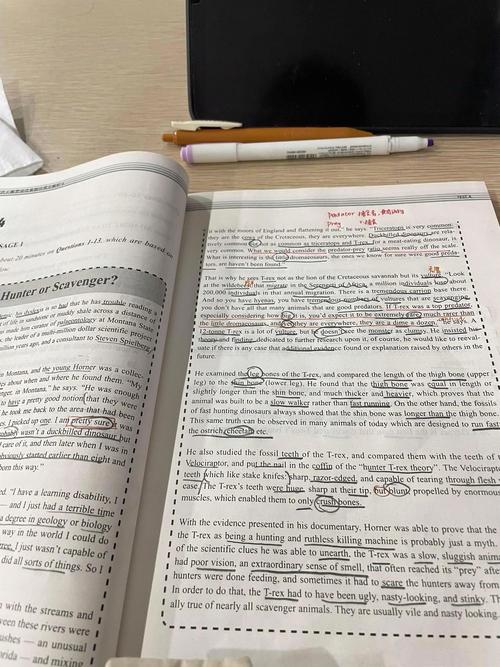
(图片来源网络,侵删)
- 口语: 口语考试时间跨度较大(通常为周四至周六),不同考生遇到的题目会不同,以下提供的口语话题是近期高频题和部分考生回忆,请务必结合自身情况准备。
- 听力/阅读: 答案基于考生回忆,可能存在细微出入。“答案”并非官方标准,而是基于大量考生回忆和资深教师分析得出的高概率参考答案,请以实际考试为准。
- 写作: 以下为考生回忆的题目和思路分析,范文仅供参考。
听力部分
Section 1
- 场景: 两人讨论社区中心的活动报名
- 题型: 填空
- 答案(回忆版):
- Name: Sarah Johnson
- Course: Pottery (陶艺)
- Age: 25
- Phone number: 0412 876 543
- Membership type: Family (家庭会员)
- Discount: 10% (10%折扣)
- Starting date: 15th October (10月15日)
- Reference number: SC789B (参考号:SC789B)
- Teacher: Mr. Davis (老师:戴维斯先生)
- Material fee included? Yes (包含材料费吗? 是)
Section 2
- 场景: 介绍一个新开的城市公园及其设施
- 题型: 填空 + 选择
- 答案(回忆版):
- 填空: 11. Opening hours: 8 am to 8 pm (早上8点到晚上8点) 12. Special feature: Children's playground (儿童游乐场) 13. New facility: Skate park (滑板公园) 14. Event on Saturday: Jazz concert (爵士音乐会) 15. Cost for event: Free (免费)
- 选择(多选):
16. What is available for hire? (可租借什么?)
- A. Bicycles (自行车) - Yes
- B. Boats (船) - No
- C. Picnic blankets (野餐垫) - Yes
- What should visitors bring? (访客应带什么?)
- A. Water (水) - Yes
- B. Sunscreen (防晒霜) - Yes
- C. First aid kit (急救包) - No
Section 3
- 场景: 两个学生讨论关于“城市农业”的课堂作业
- 题型: 选择 + 填空 + 匹配
- 答案(回忆版):
- 选择(单选):
18. What is the main purpose of their project? (项目的主要目的是什么?)
- A. To increase food supply (增加食物供应) - No
- B. To raise environmental awareness (提高环保意识) - Yes
- C. To find new farming methods (寻找新农业方法) - No
- 填空: 19. They decided to focus on rooftop gardens (屋顶花园). 20. They need to interview local council members (地方议会成员). 21. The deadline for the proposal is next Friday (下周五). 22. They will use online surveys (在线调查) for data collection. 23. The professor suggested looking at case studies (案例研究).
- 匹配: 将提到的困难与对应的解决方案匹配 24. Lack of funding: - Apply for a university grant (申请大学基金) 25. Finding participants: - Use social media (使用社交媒体) 26. Technical knowledge: - Attend a workshop (参加一个研讨会)
- 选择(单选):
18. What is the main purpose of their project? (项目的主要目的是什么?)
Section 4
- 场景: 讲座关于“睡眠与记忆的关系”
- 题型: 填空
- 答案(回忆版): 27. Memory consolidation (记忆巩固) mainly happens during sleep. 28. Slow-wave sleep (慢波睡眠) is important for factual memories. 29. REM sleep (快速眼动睡眠) is linked to emotional memories. 30. Lack of sleep can lead to poor decision-making (糟糕的决策). 31. Research shows that students who sleep well perform better in problem-solving tasks (解决问题任务). 32. Caffeine (咖啡因) can negatively affect sleep quality. 33. A regular sleep schedule (作息时间) is recommended. 34. The lecturer suggests avoiding electronic devices (电子设备) before bed. 35. Exercise (运动) during the day can improve sleep. 36. Further research is needed on long-term effects (长期影响).
阅读部分
Passage 1: 主题:蚂蚁的智慧
- 题型: 判断题 + 段落信息匹配 + 人名观点匹配
- 讲述蚂蚁如何协作、解决问题(如找到最短路径、分配任务)、以及它们的社会结构如何体现“集体智慧”。
- 答案(回忆版):
- 判断题 (TRUE/FALSE/NOT GIVEN): 37. TRUE - 蚂蚁能找到食物源和巢穴之间的最短路径。(文中明确提到蚂蚁通过信息素标记高效路径) 38. FALSE - 蚂蚁群中所有个体执行相同的任务。(文中提到分工明确,不同个体执行不同任务) 39. NOT GIVEN - 蚂蚁能解决数学问题。(文中未提及此能力) 40. TRUE - 蚁群的大小影响其解决问题的效率。(文中提到大规模蚁群在复杂任务中表现更好)
- 段落信息匹配: 41. 段落 E - 描述蚂蚁如何通过信息素进行沟通。 42. 段落 B - 解释蚂蚁群体如何适应环境变化。 43. 段落 D - 讨论不同种类蚂蚁的分工差异。 44. 段落 A - 引出蚂蚁作为研究集体智慧模型的主题。
- 人名观点匹配: 45. Dr. Lisa Chen - 认为蚂蚁行为可以应用于机器人技术。(对应段落C) 46. Professor John Miller - 强调了环境因素在蚂蚁决策中的作用。(对应段落F) 47. Dr. Sarah Brown - 关注了蚂蚁个体间的信息传递机制。(对应段落E)
Passage 2: 主题:城市绿化的重要性
- 题型: 段落大意匹配 + 人名观点匹配 + 选择题
- 讨论城市绿化(公园、绿树、屋顶花园等)在改善空气质量、降低城市热岛效应、促进居民身心健康、增加生物多样性以及提升社区凝聚力方面的多重益处。
- 答案(回忆版):
- 段落大意匹配: 48. 段落 ii - 绿化如何具体改善空气质量。 49. 段落 vi - 绿化项目面临的挑战和障碍。 50. 段落 iv - 绿化对居民心理健康和社交的积极影响。 51. 段落 i - 城市热岛效应及其成因。 52. 段落 v - 绿化对城市生物多样性的贡献。 53. 段落 iii - 城市绿化带来的经济效益。
- 人名观点匹配: 54. Wilson - 认为政府应强制开发商进行绿化。(对应段落vi) 55. Garcia - 强调社区参与绿化项目的重要性。(对应段落iv) 56. Tanaka - 指出某些植物在净化空气方面效果不佳。(对应段落ii)
- 选择题:
57. What is the main problem caused by lack of green spaces in cities? (城市缺乏绿地的首要问题是什么?)
- A. Increased traffic congestion (交通拥堵加剧) - No
- B. Higher crime rates (犯罪率上升) - No
- C. Elevated temperatures (温度升高) - Yes (对应城市热岛效应)
- D. Loss of agricultural land (农业用地流失) - No
- According to the text, which factor is crucial for the success of green projects? (根据文本,什么因素对绿化项目的成功至关重要?)
- A. Government funding (政府资金) - Partially, but not the only one
- B. Public participation (公众参与) - Yes (Garcia的观点)
- C. Advanced technology (先进技术) - No
- D. Suitable climate (适宜的气候) - No
Passage 3: 主题:虚拟现实在教育中的应用
- 题型: 判断题 + 填空 + 段落信息匹配
- 探讨VR技术如何革新教育方式,让学生能够身临其境地学习历史、科学(如人体解剖、分子结构)、地理等,讨论了其优势(提高参与度、理解复杂概念)、当前面临的挑战(成本、内容开发、潜在副作用如眩晕)以及未来发展趋势。
- 答案(回忆版):
- 判断题 (TRUE/FALSE/NOT GIVEN): 59. FALSE - VR设备目前对大多数学校来说过于昂贵。(文中提到成本是主要障碍之一,但未说“大多数”学校完全负担不起) 60. TRUE - VR可以帮助学生理解抽象的科学概念。(文中明确举例说明) 61. NOT GIVEN - 使用VR会导致长期的健康问题。(文中提到眩晕等短期副作用,但未提及长期影响) 62. TRUE - 教育者对VR在课堂中的持怀疑态度。(文中提到一些教育者持谨慎态度)
- 填空: 63. VR allows students to explore historical sites (探索历史遗迹) without leaving the classroom. 64. One major challenge is the development of quality content (高质量内容的开发). 65. Some experts believe VR could replace traditional teaching methods (取代传统教学方法) in the future.
- 段落信息匹配: 66. 段落 C - 描述VR在特定学科(如医学)中的应用实例。 67. 段落 E - 讨论实施VR教育项目所需的技术要求。 68. 段落 B - 分析VR对学习动机和参与度的影响。 69. 段落 D - 指出当前VR教育面临的主要局限性。 70. 段落 A - 概述VR技术及其在教育领域的潜力。
写作部分
Task 1 (A类 - 图表作文)
- 图表类型: 柱状图 + 饼图
- 题目回忆:
- 柱状图:展示了2010年和2025年五个国家(A, B, C, D, E)在可再生能源(如太阳能、风能)上的投资额(单位:十亿美元)。
- 饼图:展示了2025年全球可再生能源投资的来源构成(政府、私营部门、国际组织等)。
- 写作思路:
- 简述图表显示了2010和2025年五国可再生能源投资情况及2025年全球投资来源。
- 概述核心趋势: 整体投资额显著增长;国家间差异明显(如A国增长最多,E国变化小);2025年私营部门是最大投资来源。
- 详述柱状图:
- 对比2010和2025年各国投资额(重点描述增长最快和最慢的国家,最高和最低的国家)。
- 分析数据背后的可能原因(如政策支持、技术进步、市场需求等)。
- 详述饼图:
- 描述2025年各来源(政府、私营部门、国际组织等)所占的百分比。
- 解释私营部门占比高的原因(如盈利前景、企业社会责任等)。
- 重申全球对可再生能源投资的增长趋势和主要驱动力。
Task 1 (G类 - 书信作文)
- 题目回忆:
- You have recently booked a holiday package with a travel agency. However, you need to cancel your booking.
- Write a letter to the travel agency. In your letter:
- explain why you need to cancel the booking
- ask about the cancellation policy and any refund you might receive
- request confirmation of the cancellation
- 写作思路:
- 开头: 自我介绍(客户姓名、预订号/日期),说明写信目的(取消预订)。
- 主体段落1 (原因): 清晰、礼貌地解释取消原因(如:突发家庭事务、工作变动、健康问题、行程冲突等 - 选择一个合理且具体的理由)。
- 主体段落2 (询问政策): 询问具体的取消政策(如:提前多少天取消可退款、退款比例是多少、是否有手续费等),询问预计何时能收到退款。
- 主体段落3 (请求确认): 请求对方确认预订已成功取消,并希望收到书面确认(邮件或信件)。
- 表达感谢(感谢对方处理),提供联系方式(如有需要)。
Task 2 (议论文)
- 题目回忆:
Some people believe that the best way to increase road safety is to increase the minimum legal age for driving cars or motorbikes. To what extent do you agree or disagree?
- 写作思路:
- 立场(倾向部分同意): 提高驾驶年龄是提高道路安全的一个有效但非唯一的措施,需要结合其他手段。
- 同意方论点 (Why it's effective):
- 生理发育: 年轻司机(尤其是青少年)大脑前额叶(负责判断、冲动控制)尚未完全发育,提高年龄可减少因冒险、鲁莽驾驶导致的事故。
- 经验积累: 更大的年龄通常意味着有更多时间(作为乘客或步行者)观察和积累道路经验。
- 成熟度: 年长司机可能更遵守规则,更理解风险,不易受同伴压力影响。
- 不同意的论点/局限性 (Why it's not enough):
- 并非唯一因素: 酒驾、毒驾、超速、疲劳驾驶、车辆状况差、道路设计缺陷等也是重大安全隐患,与年龄无关。
- 替代方案: 加强驾驶培训质量(尤其是防御性驾驶)、严格驾照考试(增加实际道路测试难度)、严厉惩罚违规行为(如吊销驾照、高额罚款)、加强道路安全宣传(针对所有年龄段)可能更有效。
- 实际需求: 在公共交通不便的地区,年轻群体(如18-20岁)可能有驾车需求(通勤、工作),一刀切提高年龄可能带来不便。
- 重申立场:提高驾驶年龄有一定道理,特别是针对年轻司机的高风险行为,但效果有限。
- 强调综合方案:最有效的道路安全策略应是一个多管齐下的综合方案,包括:提高准入门槛(年龄+培训)、严格执法、改善基础设施、持续公众教育,单一措施无法根本解决问题。
口语部分 (近期高频话题 + 部分回忆)
Part 1: Introduction & Interview
- Full Name: Could you tell me your full name, please?
- Accommodation: Do you live in a house or an apartment? Which one do you prefer? Why?
- Hometown: Where is your hometown? What do you like most about it?
- Work/Study: Are you working or studying? What do you do? Do you like it? Why/Why not?
- Weather: What's the weather like in your hometown? Do you like it? How does weather affect people's mood?
- Daily Routine: What's your typical daily routine? Is there any part of it you would like to change?
- Music: Do you like listening to music? What kind of music do you usually listen to? When do you listen to music?
- Food: What's your favorite food? Did you like it when you were a child? Do you like cooking?
- Holidays: Do you prefer to have short holidays or long holidays? How do you usually spend your holidays?
- Technology: Do you use technology a lot? What technology do you use most often? Is there any technology you dislike? Why?
Part 2: Individual Long Turn (Cue Card)
- Describe a time when you helped someone.
- You should say:
- who you helped
- how you helped them
- what the result was
- and explain how you felt about helping them.
- You should say:
- Describe a piece of equipment (not a computer) that you use often at home or at work.
- You should say:
- what it is
- how often you use it
- what you use it for
- and explain how important this equipment is to you.
- You should say:
- Describe a time when you missed an appointment.
- You should say:
- what the appointment was
- when and where it was
- why you missed it
- and explain how you felt about missing it.
- You should say:
- Describe a park or garden you have visited.
- You should say:
- where it is
- what it looks like
- what you did there
- and explain how you felt about this place.
- You should say:
- Describe a person who has a great influence on you.
- You should say:
- who this person is
- how you knew them
- what influence they had on you
- and explain why this person influenced you so much.
- You should say:
Part 3: Two-way Discussion
- 基于 Part 2 "Describe a time when you helped someone":
- Do you think people are becoming more willing to help others nowadays compared to the past? Why?
- What kind of help do people usually need in modern society?
- How can schools encourage students to help others?
- Do you think technology makes it easier for people to help others? How?
- Is there a difference between helping family members and helping strangers? Why?
- 基于 Part 2 "Describe a park or garden you have visited":
- Why do you think people like to visit parks or gardens?
- What are the benefits of having green spaces in cities?
- Do you think governments should spend more money on creating public parks? Why?
- How do parks and gardens affect the environment?
- Are there any differences between parks in cities and those in the countryside?
- 基于 Part 2 "Describe a piece of equipment":
- What are the most common pieces of equipment used in homes today?
- How has technology changed the way people use equipment at home?
- Do you think people rely too much on modern equipment? Why?
- What skills do people need to use modern equipment effectively?
- How might technology develop in terms of home equipment in the future?
备考建议:
- 听力/阅读: 对照回忆答案,分析错题原因(词汇、同替、定位、理解),注意总结同义替换和高频场景词汇。
- 写作: 练习审题、构思框架(尤其是同意与否类题目),积累相关话题词汇和句型,注意Task 1(A类)数据对比的全面性和准确性,Task 1(G类)格式和语气。
- 口语: 熟练掌握Part 1高频话题,针对Part 2话题卡,准备思路和关键词,练习流利连贯地讲述2分钟,Part 3要练习深入讨论、分析利弊、提出观点和论证的能力,多模拟真实考试环境。
希望这份详细的解析对你有帮助!祝你备考顺利,取得理想的成绩!
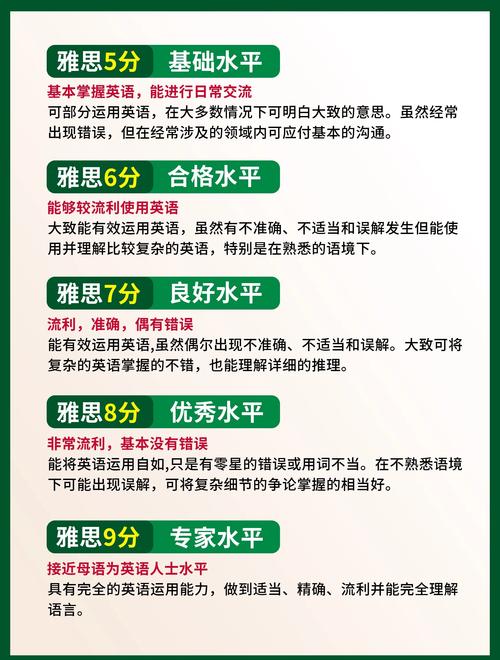
(图片来源网络,侵删)